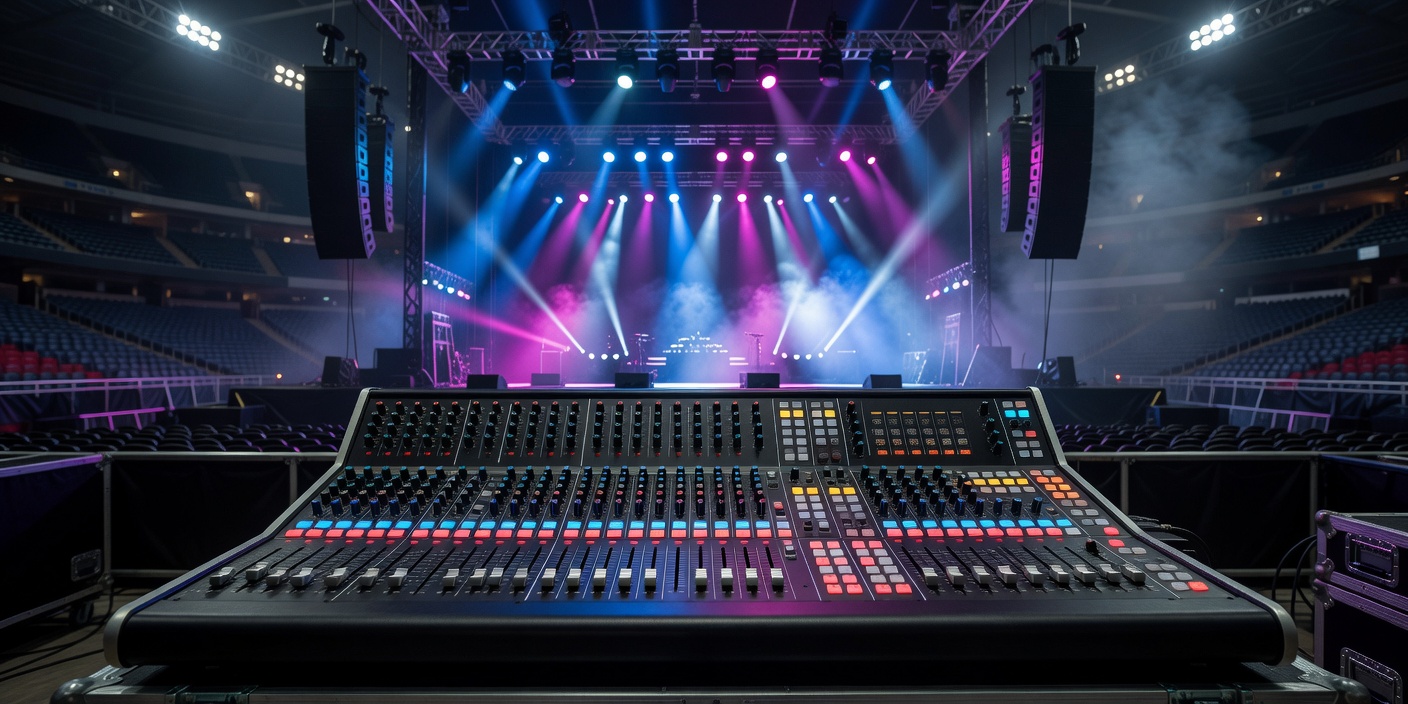
When high-potassium-perchlorate titanium salutes detonate inside a partially covered modern stadium, the resulting shockwave behaves fundamentally differently than in open-air fields. The compression wave reflects off cantilevered concrete tiers, composite membrane roofs, and glass VIP hospitality facades, potentially generating dangerous acoustic focusing zones.
1. The Physics of the Overpressure Pulse
A flash powder salute does not simply generate an audible sound; it creates an instantaneous aerodynamic overpressure front moving at supersonic velocity before decaying into an acoustic shockwave. Under the Friedlander waveform equation, peak pressure ($P_{so}$) spikes within micro-seconds before dropping into a negative pressure phase.
In enclosed football stadia, repeated salutes fired in rapid sequence can trigger sympathetic structural resonance in roof canopy trusses, rattling glass panels and exposing audience members seated directly below overhead reflectors to sound pressures surpassing 140 dB(C).
2. Finite Element Ray-Tracing & 3D Sonic Mapping
Before any major tour or stadium finale goes live, Prireel engineers model the stadium bowl using boundary element and ray-tracing software. We map exact reflection nodes across all seating tiers:
- Perchlorate Flash Substitution: In reflective zones, pure potassium perchlorate formulations are replaced with slower-burning nitrocellulose and metallic flake blends that preserve visual flash while attenuating the sharp concussion transient by up to 18 dB.
- Phase Delay Staggering: By inserting 85-millisecond staggered offsets between stadium perimeter firing positions, individual pressure waves arrive out of phase at the pitch center, cancelling out peak wave amplitudes.
3. Regulatory Ear-Level Safety Guidelines
International occupational health directives (including UK Control of Noise at Work Regulations 2005 and OSHA 1910.95) set strict peak action levels at 137–140 dB(C). Our telemetry monitors deployed throughout the venue log real-time decibel spikes, ensuring full compliance without compromising spectacle drama.